CPR & First Aid Training
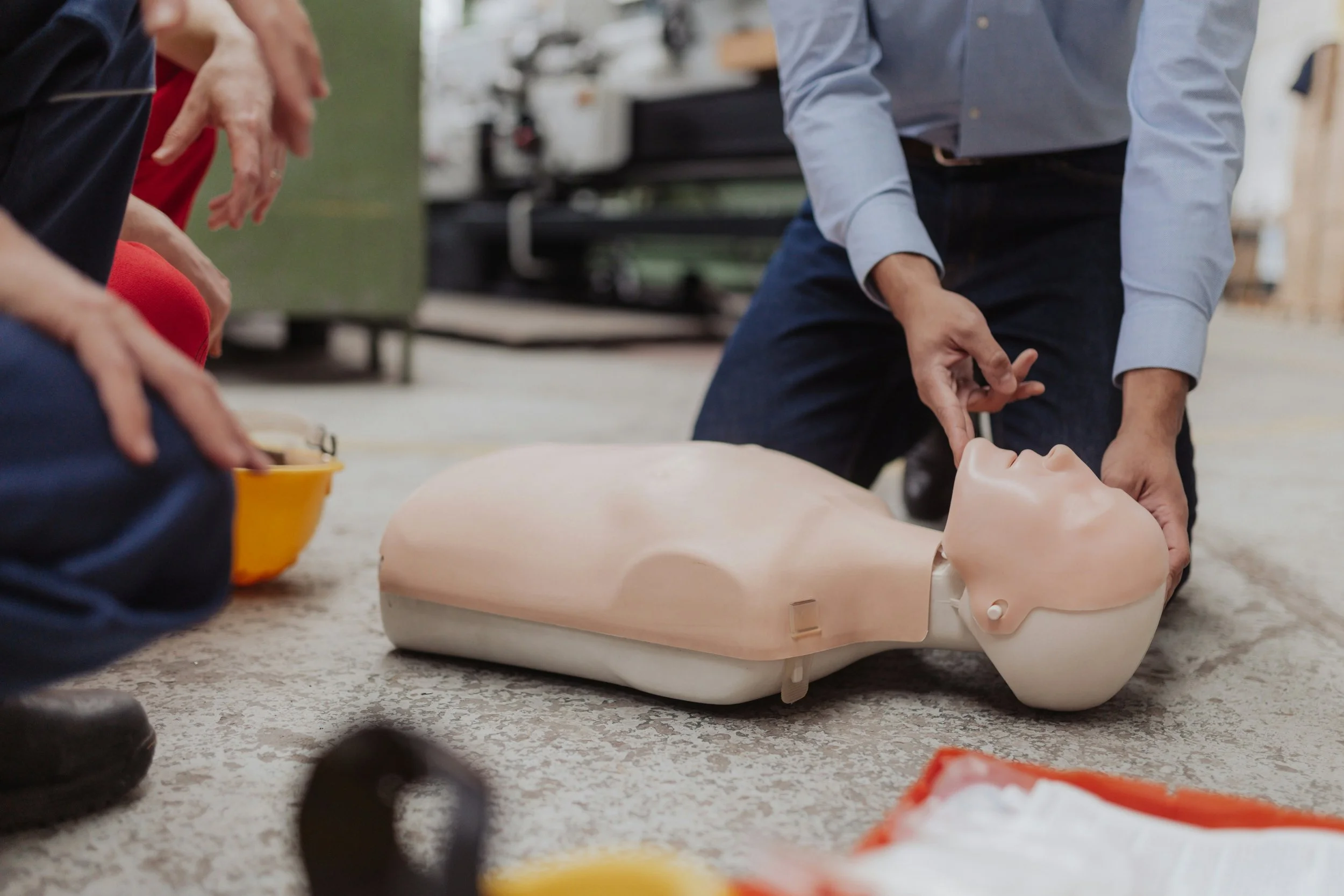
Basic Life Support (BLS) Training
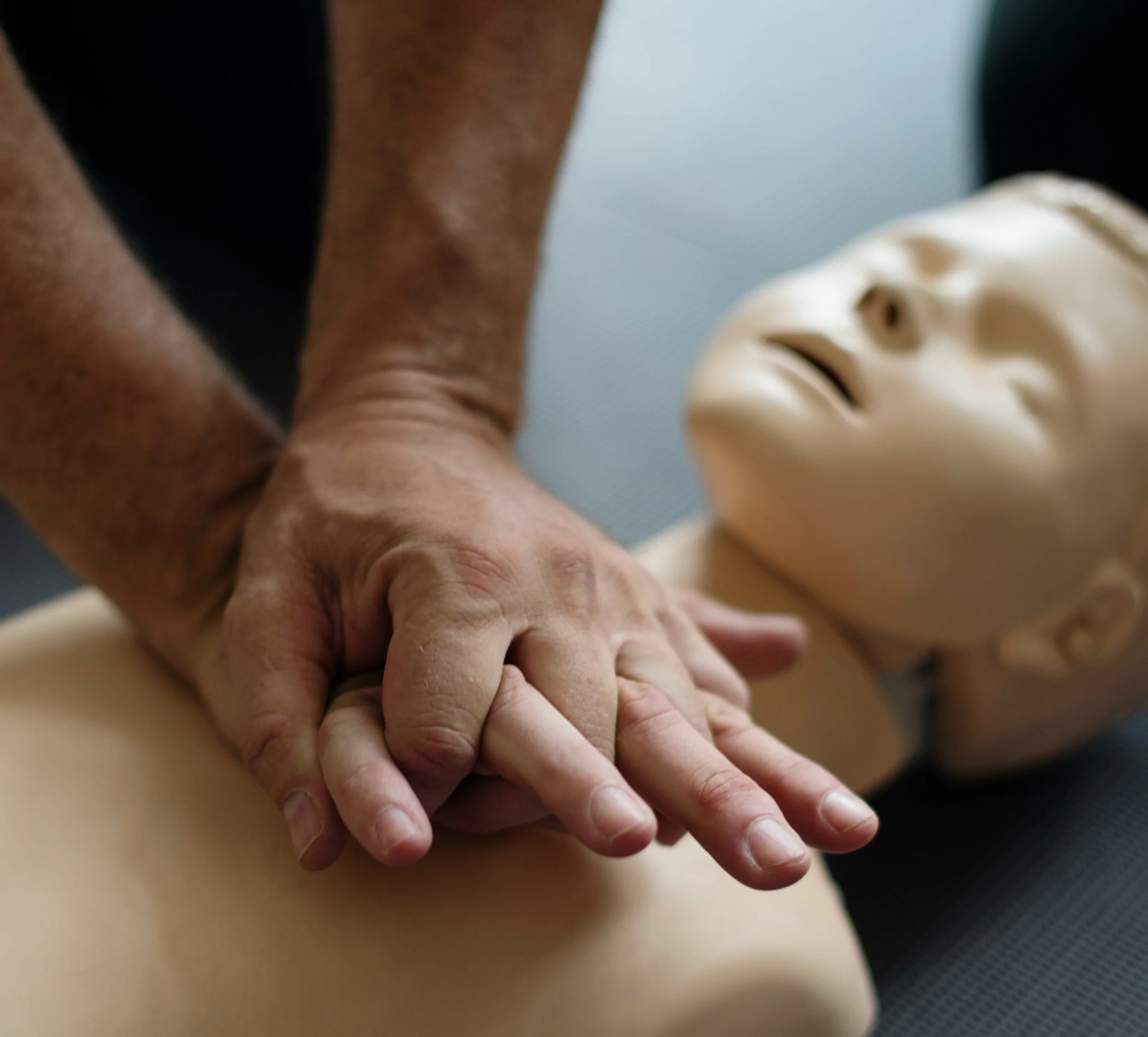
American Heart Association Basic Life Support (BLS) is a CPR and emergency response course designed for healthcare professionals and public safety personnel who may respond to cardiac arrest or respiratory emergencies.
The course teaches:
High-quality CPR for adults, children, and infants
Use of an Automated External Defibrillator (AED)
Relief of choking/airway obstruction
Team-based resuscitation skills
Bag-mask ventilation techniques
BLS is commonly required for:
Firefighters
EMTs and paramedics
Nurses
Physicians
Dental professionals
Hospital and clinic staff
The course includes hands-on skills practice and testing to ensure participants can effectively perform life-saving interventions in emergency situations. Successful completion results in an AHA BLS Provider certification card, typically valid for two years.
Heartsaver Training
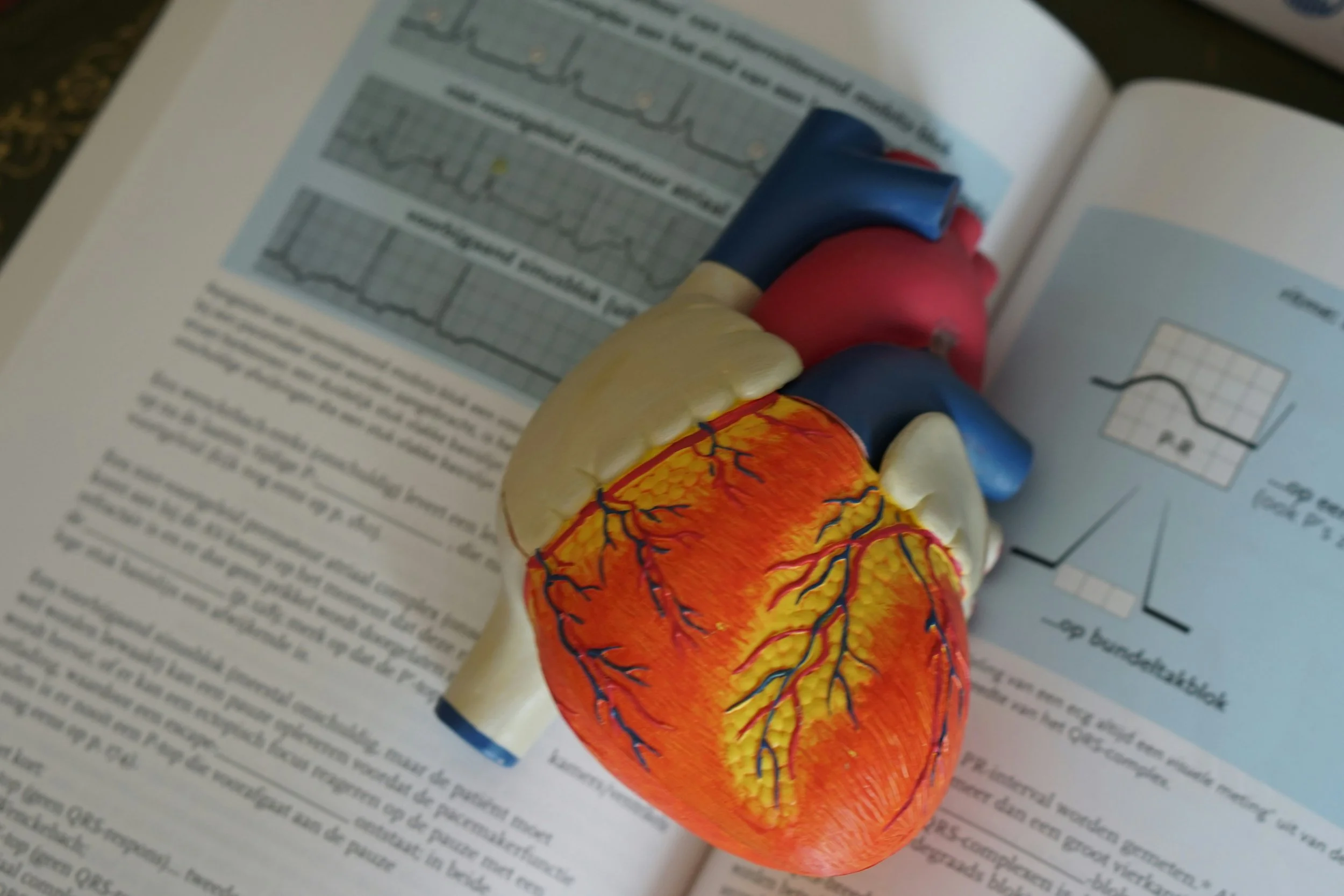
American Heart Association Heartsaver courses are CPR, AED, and first aid training programs designed for the general public, workplace employees, childcare providers, teachers, foster parents, and other non-healthcare professionals who may need to respond to emergencies.
Depending on the course selected, Heartsaver training may include:
Adult, child, and infant CPR
AED use
Choking relief
Basic first aid
Medical, injury, and environmental emergency care
Heartsaver courses are commonly used to meet workplace, childcare, foster care, and occupational safety requirements. The training includes hands-on skills practice and successful participants receive an AHA Heartsaver certification card that is typically valid for two years.
Advanced Cardiac Life Support (ACLS) Training
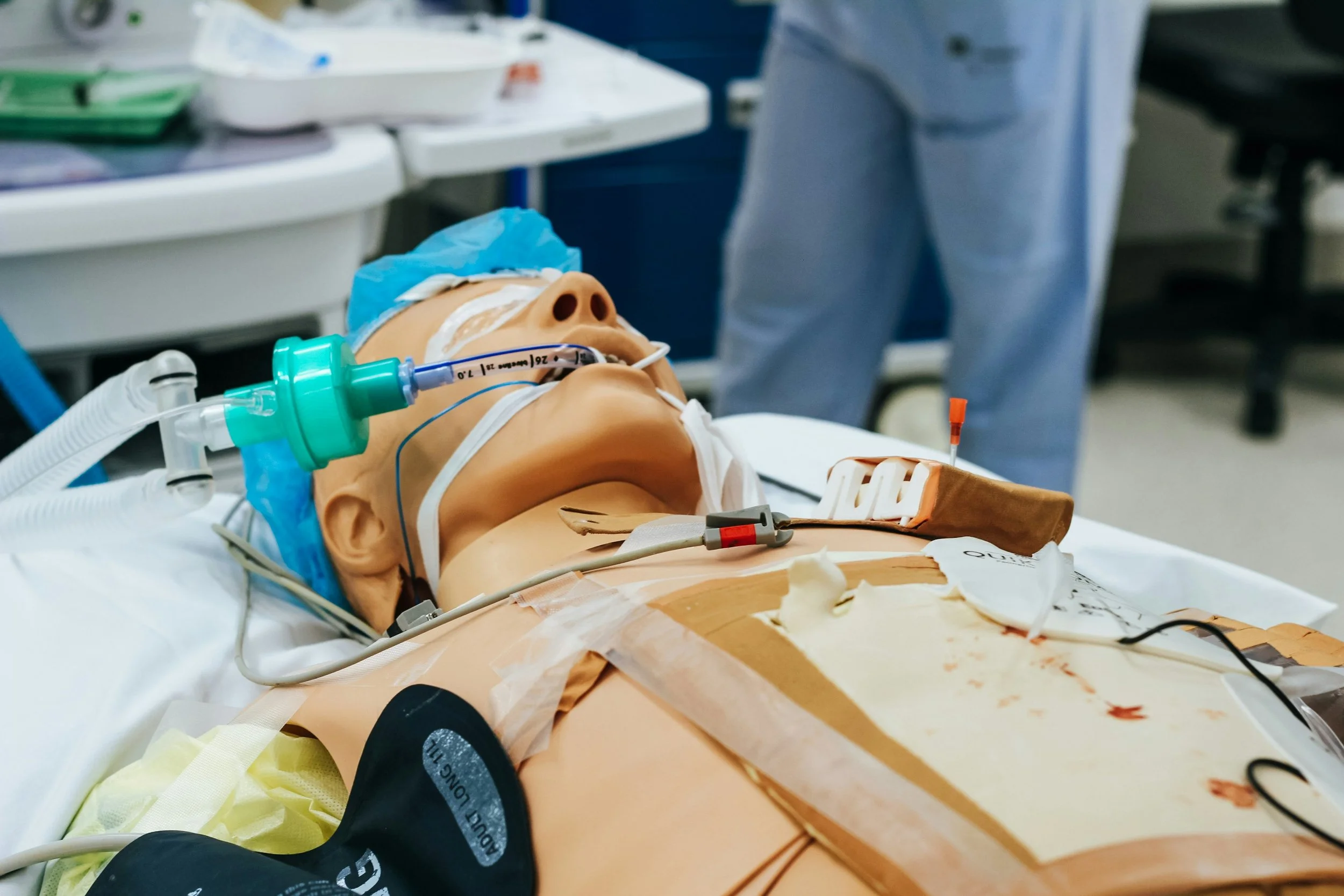
American Heart Association Advanced Cardiovascular Life Support (ACLS) is an advanced emergency cardiovascular care course designed for healthcare professionals who manage or participate in the treatment of cardiac arrest, stroke, heart attacks, and other life-threatening medical emergencies.
The course focuses on:
High-performance CPR
Advanced airway management
Cardiac rhythm recognition
Defibrillation and synchronized cardioversion
ACLS medications
Team leadership and communication during resuscitation
Management of adult cardiac emergencies and stroke
ACLS is commonly required for:
Paramedics
Firefighters
Nurses
Physicians
Respiratory therapists
Emergency and critical care personnel
Students typically complete:
Written testing
Megacode/scenario-based skills testing
Team-based resuscitation simulations
Successful completion results in an AHA ACLS Provider certification card, usually valid for two years.
Pediatric Advanced Life Support(PALS) Training
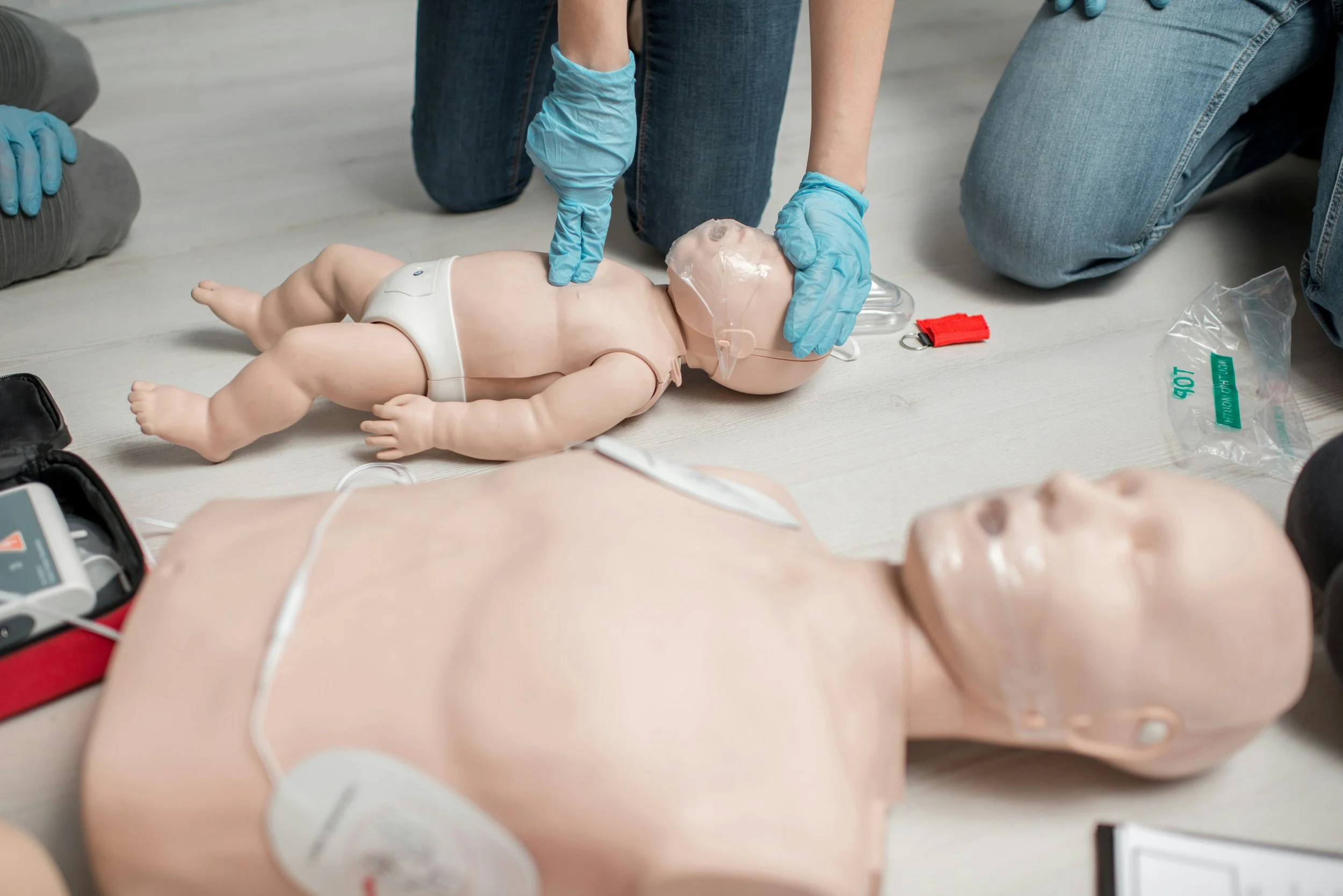
American Heart Association Pediatric Advanced Life Support (PALS) is an advanced emergency care course designed for healthcare professionals who respond to critically ill or injured infants and children.
The course teaches providers how to recognize and manage pediatric respiratory emergencies, shock, cardiac arrest, and other life-threatening conditions using a systematic, team-based approach.
Key topics include:
Pediatric assessment and recognition of deterioration
High-quality CPR for infants and children
Pediatric airway management
Cardiac rhythm recognition
Defibrillation and medication administration
Team dynamics and communication during pediatric emergencies
PALS is commonly required for:
Paramedics
Emergency nurses
Physicians
Respiratory therapists
Pediatric and emergency department staff
The course includes written testing and hands-on scenario-based skills evaluations. Successful participants receive an AHA PALS Provider certification card that is typically valid for two years.
Over 20 years of EMS experience with over a decade of providing
training, instruction, and tutoring!
Schedule a Consultation